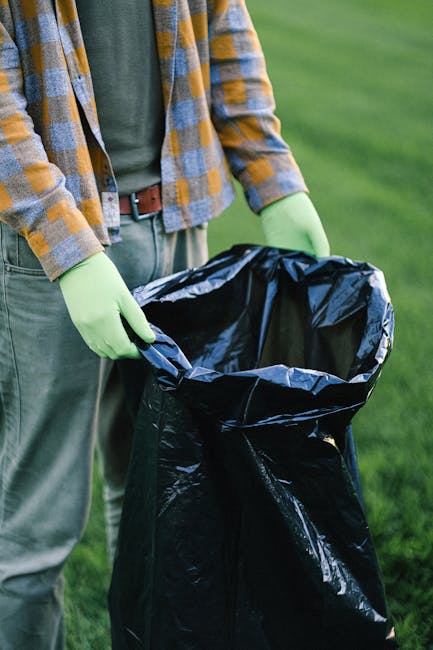
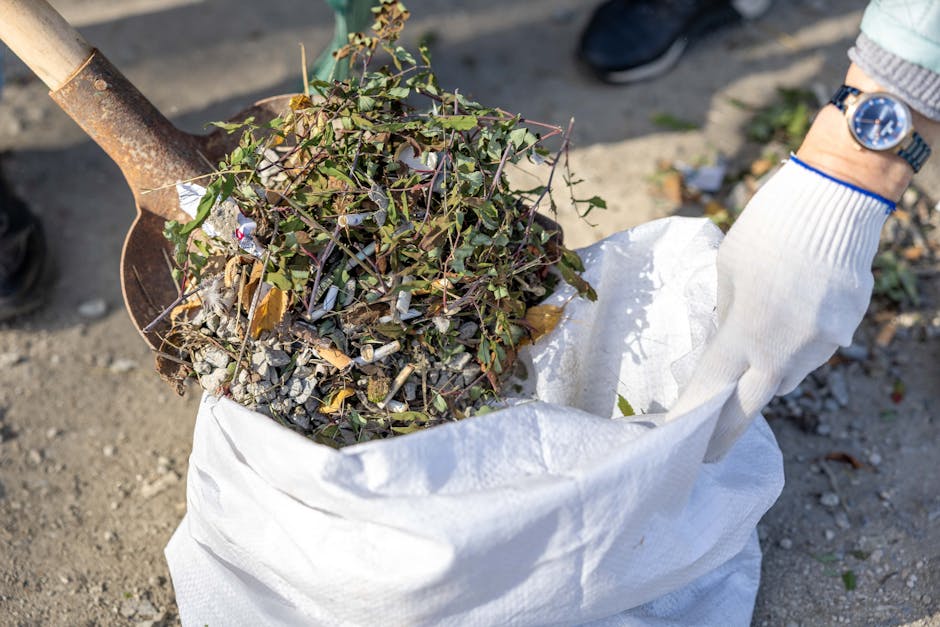
Garden clearance and rubbish removal for Carlton Vale gardens
If your Carlton Vale garden has reached that awkward stage where pruning offcuts, broken pots, old timber, and general clutter are starting to take over, you are not alone. Garden clearance and rubbish removal for Carlton Vale gardens is often less about "tidying up" and more about getting a space back to being usable, safe, and enjoyable again. One weekend it feels manageable; the next, the shed is packed, the borders are choked, and the wheelie bin is somehow already full before you have even touched the hedge cuttings.
This guide explains what garden clearance involves, how rubbish removal usually works, what to expect in practice, and how to avoid common mistakes. It is written for homeowners, landlords, tenants, and local property managers who want a straightforward, no-nonsense way to deal with garden waste properly. If you also need wider household support, it can be useful to look at garden clearance services alongside related options such as general waste removal or even house clearance when outdoor clutter has spilled inside.
Contents
- Why Garden clearance and rubbish removal for Carlton Vale gardens Matters
- How Garden clearance and rubbish removal for Carlton Vale gardens Works
- Key Benefits and Practical Advantages
- Who This Is For and When It Makes Sense
- Step-by-Step Guidance
- Expert Tips for Better Results
- Common Mistakes to Avoid
- Tools, Resources and Recommendations
- Law, Compliance, Standards, or Best Practice
- Options, Methods, or Comparison Table
- Case Study or Real-World Example
- Practical Checklist
- Conclusion
- Frequently Asked Questions
Why Garden clearance and rubbish removal for Carlton Vale gardens Matters
Carlton Vale gardens can face a familiar set of challenges: compact outdoor spaces, shared access routes, limited storage, and the kind of weather that turns a neat pile of clippings into a damp, heavy mess overnight. In that context, clearing a garden is not just a cosmetic job. It affects safety, usability, and how much maintenance the space will demand later.
Overgrown beds can hide glass, nails, broken ceramics, and sharp cuttings. Old fencing or rotting timber may collapse at the worst possible moment. Even a small pile of mixed garden waste can become difficult to move once it has been left to settle for a few weeks. Truth be told, people often underestimate how quickly a garden tip can turn into a logistics problem.
There is also the simple matter of how a property feels. A cleared garden instantly changes the tone of a home. You notice it when you open the back door: light, air, and space instead of a busy, cluttered scene. That shift matters whether you are preparing a property for sale, trying to make room for children to play, or just wanting somewhere decent to sit with a coffee on a Saturday morning.
For many people, a garden clearance is part of a broader reset. The outdoor space may need to be tackled before an old furniture disposal job, after a renovation, or alongside builders waste clearance if leftover rubble and timber have ended up outside. A good clearance plan keeps all of it under control instead of bouncing from one pile to the next.
How Garden clearance and rubbish removal for Carlton Vale gardens Works
In practical terms, garden clearance usually follows a simple sequence. First comes the assessment: what needs to go, what can stay, and whether the waste is light green waste, heavier mixed rubbish, or awkward materials such as broken planters, treated wood, soil, or damaged outdoor items. Then comes the separation stage, where different waste types are grouped for efficient loading and disposal.
That separation matters more than people think. A bag of hedge trimmings is not the same as broken decking boards, and neither is the same as an old barbecue, rusted tools, or a rotting shed panel. Sorting waste properly can affect how quickly the job is done and how responsibly it can be processed afterwards. You will notice the difference almost immediately if the garden has been neglected for a while.
After sorting, the waste is loaded and removed. Depending on access, this may be from the front, side, rear, or via a shared pathway. In Carlton Vale, access can be a little tight in places, so clear communication and sensible planning help. If a garden backs directly onto a building or has narrow side access, the team may need to work in stages rather than assuming they can simply wheel everything straight out. Not glamorous, but effective.
Responsible clearance also includes disposal planning. Organic waste, reusable materials, and general rubbish should not all be treated the same way. Where possible, suitable materials should be recycled or diverted away from landfill. If you want to understand that side of things more fully, the page on recycling and sustainability is a useful companion piece.
Key Benefits and Practical Advantages
The obvious benefit is space. A cluttered garden can quickly become a place you avoid, while a cleared one becomes part of the home again. But the practical advantages go beyond appearances.
- Safer access: Fewer trip hazards, fewer hidden sharp objects, and less risk around uneven ground.
- Faster maintenance: Once waste is gone, mowing, pruning, and border care become much easier.
- Better garden health: Clearing dead growth can improve airflow and reduce the spread of mould, pests, or rot.
- Improved property presentation: A tidy garden supports viewings, rentals, and everyday enjoyment.
- Less stress: A single organised clearance is often far easier than tackling waste in tiny bits over several weeks.
There is also a subtle benefit people often miss: momentum. Once the garden is cleared, other jobs suddenly feel doable. You see the edge of the lawn. You spot the fence that needs mending. The whole place stops feeling like a problem and starts feeling like a project. Small difference, big effect.
For some households, it also makes sense to combine garden waste with other kinds of property clearance. For example, if the garage is full of old tools, or the shed has become a storage hole for everything no one wants to deal with, it may be worth looking at garage clearance or home clearance as part of the same visit.
Who This Is For and When It Makes Sense
This service suits a wide range of people. Homeowners may need it after a long winter, before landscaping work, or when the garden has simply got away from them. Landlords often need fast turnaround between tenancies, especially if a tenant has left behind outdoor waste, broken items, or overgrown borders. Managing agents and property teams may need a reliable clearance approach for communal or rental outdoor spaces too.
It also makes sense when the waste is more than you can reasonably deal with in regular bin collections. Let's face it, most household bins are not designed for a full garden overhaul. A few bags of clippings, yes. A dismantled fence, tangled roots, old timber, and three sagging sacks of mixed debris? That is a different story.
You may especially benefit from professional help if:
- the garden is large, overgrown, or hard to access
- you have mixed waste rather than just grass cuttings
- you are working to a deadline for a move, sale, or tenancy change
- there are heavy or awkward items to remove
- you need the site left neat rather than simply emptied
Some customers also bundle garden work with flat clearance or furniture clearance when an outdoor area and the adjoining property both need attention. That is often the neatest route, and frankly the least annoying one.
Step-by-Step Guidance
If you are planning garden clearance in Carlton Vale, a structured approach will save time and reduce surprises. Here is the practical version.
- Walk the garden first. Identify what is waste, what is reusable, and what might need special handling. Take note of access points, locked gates, fragile surfaces, and anything that could slow the job down.
- Separate obvious categories. Put green waste, timber, metal, rubble, and general rubbish into different areas if possible. You do not need to do everything perfectly, but a bit of sorting helps a lot.
- Remove personal or valuable items. This sounds obvious, yet people still leave tools, ornaments, and garden equipment mixed in. A quick double-check prevents a headache later.
- Decide what can be reused. Pots, slabs, planters, and some timber may be suitable for reuse if they are in decent shape. If not, they can usually be included in the clearance load.
- Plan for heavy or awkward material. Soil, wet green waste, broken sleepers, and old fencing are heavier than they look. A half-full pile can suddenly feel like a brick wall.
- Arrange removal at the right time. Choose a day when access is clear and neighbours are least likely to be blocked. Morning is often easier than late afternoon, especially on busy streets.
- Final rake-through and sweep. Once the waste is gone, a quick finish makes the garden feel properly reset rather than just stripped out.
A useful rule: if a material looks awkward, heavy, or potentially mixed, say so early. Clear descriptions help avoid delays. Nobody enjoys discovering halfway through that what looked like "a few branches" is actually a dense pile of wet root balls and half a broken shed. Happens more than you would think.
Expert Tips for Better Results
In our experience, the best garden clearances are the ones where people think a little ahead rather than just piling everything up and hoping for the best. A few small decisions can make the whole process smoother.
Tip 1: Clear access before the team arrives. Move cars if needed, unlock side gates, and make sure bins or garden furniture are not blocking the route. It sounds basic, but access issues are one of the most common slowdowns.
Tip 2: Tackle wet waste quickly. When green waste sits around after rain, it gets heavier and messier. On a damp March morning, even a manageable pile can turn into a sodden nuisance very fast.
Tip 3: Keep soil separate if possible. Soil and rubble are heavier than garden trimmings and may need different handling. Even a small amount can change the load dramatically.
Tip 4: Think about the next stage. If you plan to replant, level the ground, or lay new turf, tell the team. The clearance can be done with that end goal in mind, which helps avoid unnecessary disturbance.
Tip 5: Don't wait for perfection. Honestly, people sometimes delay a clearance because the garden is "not ready yet". If the space is already causing stress, that is usually ready enough.
If the job involves stored items, broken outdoor furniture, or old shed contents, it can be worth reviewing furniture disposal and loft clearance too. Slightly odd pair, perhaps, but very useful when one clear-out has a tendency to uncover another.
Common Mistakes to Avoid
Most clearance problems are avoidable. The tricky part is that they look small at first.
- Mixing everything together: Green waste, general rubbish, and heavy materials all in one pile can slow sorting and removal.
- Underestimating access: Narrow paths, locked side gates, and low branches can make a simple job much harder.
- Leaving hidden hazards in place: Broken glass, rusted metal, old screws, and hidden wire can easily get missed.
- Assuming "garden waste" means only cuttings: In reality, many gardens contain mixed waste, damaged items, and leftover DIY debris.
- Forgetting about drainage or borders: Clearing the obvious mess is not enough if you leave compacted waste right against walls or drains.
Another common slip is trying to clear everything in one go without a plan. It sounds efficient, but it often becomes messy, tiring, and a bit demoralising by mid-afternoon. Better to work steadily and deliberately. That approach wins almost every time.
Tools, Resources and Recommendations
Depending on the scale of the job, the right tools can make a huge difference. For smaller DIY clearances, you may need heavy-duty gloves, sturdy sacks, secateurs, a rake, loppers, a shovel, and a wheelbarrow. For larger jobs, you may also need tarpaulins, bungee cords, and protective footwear.
Practical extras are worth having on hand:
- Gloves with a decent grip for thorny cuttings and rough timber
- Eye protection if you are cutting back dense shrubs or using tools overhead
- Green waste bags or sturdy rubble sacks for neat sorting
- A dustpan and brush for the final sweep
- Light sheeting to protect paths or indoor access points
For broader support, it may also help to review the company's pricing and quotes information so you know how jobs are usually assessed. And if your clearance involves a lot of mixed waste, the general waste removal page is a sensible place to compare what is covered.
Sometimes, though, the best resource is a realistic plan and a cup of tea before you begin. Not joking. It helps.
Law, Compliance, Standards, or Best Practice
When dealing with rubbish removal in the UK, the main thing is to ensure waste is handled responsibly and passed to a legitimate carrier or disposal route. You do not need to become a legal expert to get this right, but you do need to avoid handing waste to anyone who cannot explain clearly what happens to it next.
Good practice includes separating waste where practical, avoiding fly-tipping risks, and making sure any hired or commissioned removal service operates safely and professionally. For garden waste, this is particularly important because materials can be mixed. One bag may contain branches and grass cuttings; another may hide broken slate, concrete, or rusted fixtures.
If chemicals, asbestos-containing materials, or unknown hazardous items are found during clearance, they should not be treated like ordinary garden waste. That is one of those "stop and assess" moments. If in doubt, pause. Better a short delay than a messy mistake.
Health and safety matters too. Wet surfaces, sharp objects, hidden holes, and unstable piles can all create avoidable hazards. A careful clearance is usually a safer clearance. If you want a clearer picture of operational standards, the pages on health and safety policy and insurance and safety are worth reading.
Expert summary: the safest and smartest approach is to sort what you can, remove obvious hazards, and use a proper waste route for the rest. That is the standard you want, even if the garden looks like it has been through a small storm.
Options, Methods, or Comparison Table
There are usually three ways to handle Carlton Vale garden waste: do it yourself, hire a skip, or arrange a professional clearance. Each has a place, but they suit different situations.
| Option | Best for | Pros | Watch-outs |
|---|---|---|---|
| DIY clearance | Small tidy-ups and light green waste | Low cost if you already have tools; flexible timing | Hard work, disposal logistics, multiple trips, and safety risks |
| Skip hire | Longer projects with steady waste output | Useful for ongoing jobs; keeps waste on site | Space required, permit considerations in some cases, and you do the loading |
| Professional clearance | Mixed waste, awkward access, time-sensitive jobs | Fast, labour-saving, and often the most practical for bulky piles | Depends on load size, access, and the type of waste involved |
For many Carlton Vale homes, professional clearance becomes the simplest choice once the job stops being "a bit of weeding" and starts becoming a full garden reset. If you need a broader property tidy-up at the same time, office clearance is obviously not a garden service, but it can be relevant for small workspaces or home offices where paperwork and packaging have also piled up. Life does that sometimes. One mess leads to another.
Case Study or Real-World Example
Here is a typical situation. A Carlton Vale homeowner has a small back garden that has been used for storage over winter. By spring, it contains pruned branches, old cracked plant pots, a collapsed compost bag, several broken paving offcuts, and a rusting outdoor chair that has clearly had its day. The garden is still technically a garden, but not one anyone wants to sit in.
The practical approach is to start with a quick sort: green waste together, hard materials together, and the chair or any reusable bits set aside. Next comes access. The side route is narrow, so the load has to be moved in manageable stages rather than all at once. After removal, the ground is raked and checked for sharp debris, and the owner is left with a space ready for planting and a new seating area.
The key point is not that the job was dramatic. It wasn't. It was ordinary, which is exactly why it worked. Small, methodical steps. No heroics. No frantic rushing around at the end. And the result? A garden that feels bigger, lighter, and easier to look after within the same day.
Practical Checklist
Use this simple checklist before a garden clearance or rubbish removal job in Carlton Vale:
- Walk the whole garden and note what needs to go
- Separate green waste from mixed rubbish where possible
- Remove valuables, tools, and personal items first
- Check gates, paths, and access points
- Identify any heavy, sharp, or fragile materials
- Think about whether the garden will be replanted or repaired afterwards
- Make sure bins, cars, or stored items are not blocking collection access
- Confirm whether there is any hazardous material that needs special handling
- Allow time for a final sweep or rake-through
- Keep the goal simple: safe, neat, and ready to use
This list looks basic, but basic is good. Basic gets the job done.
Conclusion
Garden clearance and rubbish removal for Carlton Vale gardens is really about restoring usefulness. A good clearance clears the clutter, reduces risk, and gives you a clean starting point for whatever comes next, whether that is planting, landscaping, entertaining, or just enjoying a quieter, less chaotic view from the kitchen window.
The most successful projects are the ones that combine practical planning with realistic expectations. Sort what you can, protect access, handle waste properly, and do not leave the awkward bits until the end. Simple advice, yes, but it saves a lot of bother.
For a dependable next step, explore the service options, compare what is included, and choose the approach that fits your garden rather than forcing the garden to fit the plan. And if the pile feels bigger than your weekend, that is fine. That is exactly when getting help makes sense.
Get a free quote today and see how much you can save.
Sometimes the best feeling is not a finished garden. It is the quiet moment when the mess is gone and you can finally hear the birds again.
Frequently Asked Questions
What counts as garden clearance waste?
Garden clearance waste can include branches, hedge trimmings, soil, turf, leaves, broken pots, old fencing, damaged outdoor furniture, and mixed rubbish found in the garden. The exact mix varies a lot from property to property.
Can garden waste be recycled?
Often, yes. Green waste, wood, metal, and some hard materials may be separated for recycling or responsible processing. Mixed or contaminated waste is harder to recycle cleanly, so sorting helps.
How do I know whether I need a skip or a clearance service?
If the waste is spread out over time and you are doing the loading yourself, a skip may suit. If the waste is bulky, mixed, heavy, or you want it removed quickly, a clearance service is often easier.
Is garden clearance suitable for small gardens in Carlton Vale?
Yes. Small gardens often benefit even more because clutter makes them feel cramped very quickly. Clearing just a few awkward items can make the space feel noticeably larger.
Do I need to sort the waste before collection?
Some sorting helps, but you usually do not need to organise everything perfectly. Separating green waste, timber, and general rubbish makes the job more efficient and may improve recycling options.
Can I include shed contents or old garden furniture?
Usually, yes, provided the items are part of the agreed clearance. Shed contents, broken chairs, tables, planters, and other outdoor items are commonly removed as part of a garden job.
What should I do with heavy items like soil or rubble?
Keep them separate if you can, because they are much heavier than cuttings or leaves. Soil and rubble may affect pricing, loading time, and disposal arrangements.
How long does a garden clearance usually take?
It depends on the size of the garden, the amount of waste, and how easy the access is. A small tidy-up can be quick; a neglected or heavily cluttered garden takes longer.
What if the garden includes hazardous or sharp materials?
Sharp, contaminated, or potentially hazardous items should be identified early and handled carefully. If you are unsure about a material, do not mix it with ordinary green waste.
Will the garden be left tidy after the rubbish is removed?
A good clearance should leave the area neat and safe, not just empty. That usually means a final sweep or rake-through after the waste is loaded.
Is garden clearance only for homeowners?
No. Tenants, landlords, estate agents, property managers, and businesses with outdoor spaces may all need garden clearance and rubbish removal from time to time.
How can I prepare for the best result?
Clear access, remove valuables, identify the main waste types, and decide what outcome you want after the clearance. A little preparation tends to make the whole process smoother and less stressful.