Kensal Rise Bulky Rubbish Removal Options Near Queens Park
If you are staring at an old sofa, a broken wardrobe, or a pile of awkward junk that will not fit in the car, you are not alone. Kensal Rise bulky rubbish removal options near Queens Park are a real time-saver for homes, flats, landlords, and local businesses that need clutter gone without the hassle. The tricky part is choosing the right option: council collections, skip hire, man and van clearance, or a full waste removal service. Each has its place, and each suits a different kind of mess.
This guide breaks the whole thing down in plain English. You will see what bulky rubbish removal actually covers, how the main options compare, what to watch out for, and how to make a sensible choice for your situation. No fluff. Just the practical stuff that helps when the hallway is full and the lift is, frankly, not your friend.
Why Kensal Rise bulky rubbish removal options near Queens Park Matters
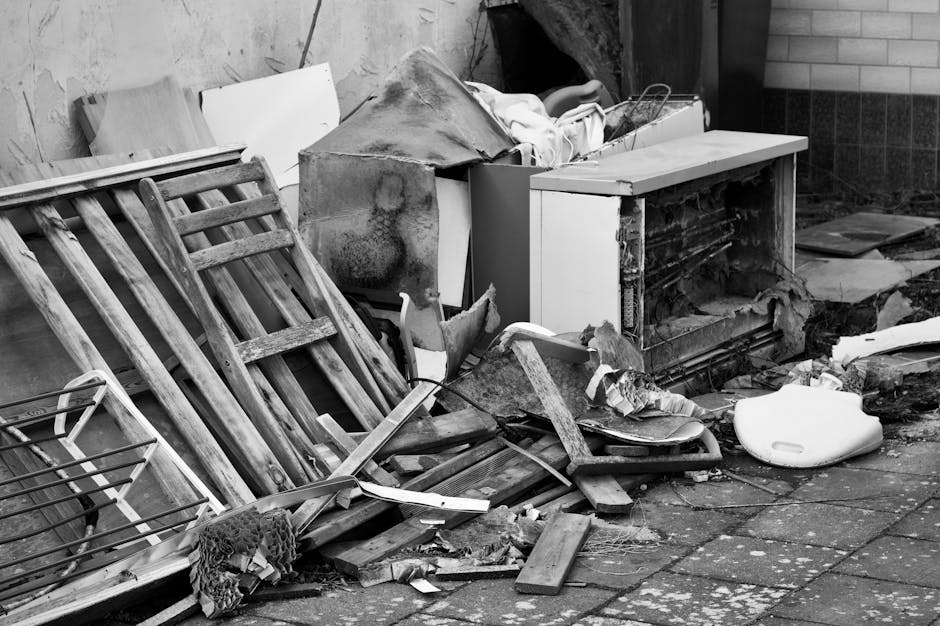
Bulky waste creates a different kind of problem from everyday rubbish. It is heavy, awkward, and often too large for normal household bins. One old mattress can turn into a faff; three broken shelves, a sofa bed, and a rusty bike can become a proper obstruction. In areas like Kensal Rise and Queens Park, where many homes are flats, maisonettes, or narrow terraced properties, the access issue matters just as much as the waste itself.
What makes this topic important is not just convenience. It is about keeping shared entrances clear, avoiding damage to stairwells or communal areas, and choosing a lawful way to get rid of items that should not be dumped on the pavement. Nobody wants a sofa left outside "just for a bit" that turns into a neighbour complaint by the evening. Truth be told, it happens more often than people admit.
There is also the time factor. If you are moving out, clearing a flat, handling a bereavement, refurbishing a rental, or just reclaiming a spare room, delays cost energy. A reliable clearance approach can turn a stressful weekend into something manageable. And near Queens Park, where parking can be tight and access can be a bit of a puzzle, planning ahead is worth its weight in gold.
For many readers, the real question is simple: what is the easiest legal way to remove bulky waste without overpaying or making a mess? That is exactly what the rest of this article helps answer.
How Kensal Rise bulky rubbish removal options near Queens Park Works
In practice, bulky rubbish removal usually means removing items that are too large for normal domestic collections. That can include sofas, armchairs, tables, wardrobes, beds, mattresses, white goods, broken garden furniture, carpets, and mixed household clutter. The process is straightforward once you know which route you are taking.
Here is the usual flow:
- Identify the items you need gone and separate anything reusable, hazardous, or personal.
- Choose the collection method based on volume, access, timing, and budget.
- Book a collection window or arrange a same-day visit if available.
- Prepare the items so they can be collected safely and quickly.
- Load, remove, and sort the waste for reuse, recycling, or disposal.
If you want a broader service that handles mixed household waste as well as bulky items, a general waste removal service can be useful. If the job is mainly old chairs, tables, or worn-out furnishings, then furniture clearance or furniture disposal may be the cleaner fit.
There are also situations where the job is more specific. Clearing a cramped upper-floor flat? flat clearance can be the better choice. Clearing a whole property after a move or tenancy? house clearance or home clearance might make more sense. It depends on what is actually on the floor, in the loft, or tucked behind that spare room door you have been ignoring for months.
One practical point: access changes everything. A ground-floor pickup is usually quicker than a fourth-floor walk-up. A narrow road, no lift, or awkward permit parking can change the plan quite a bit. That is why a good provider will ask questions before arriving, not after, when everyone is already standing around a fridge-freezer in the hallway.
Key Benefits and Practical Advantages
Choosing the right bulky rubbish removal option near Queens Park is not just about getting rid of clutter. It can improve how your place functions day to day.
- Less physical strain: Heavy lifting is risky, especially on stairs, in wet weather, or in tight hallways.
- Faster turnaround: You can clear space in hours rather than letting items sit for weeks.
- Better use of space: A cleared room feels bigger, lighter, and more workable. You notice it immediately.
- Cleaner shared areas: In flats and converted properties, removing bulky waste properly helps avoid complaints and blockages.
- More sensible sorting: Items can often be separated for recycling or reuse instead of being treated as one big mixed pile.
- Less stress: Someone else handles the lifting, loading, and disposal details.
There is also a quiet benefit people do not always mention: peace of mind. When the bulky stuff is gone, the space feels mentally calmer. You can breathe again. Sounds dramatic, maybe, but ask anyone who has lived with a broken wardrobe in the bedroom corner for three months.
If sustainability matters to you, it is worth checking how the provider handles sorting and recovery. A service with clear recycling practices will usually be able to explain what happens to wood, metal, textiles, and other common materials. You can learn more about that approach through recycling and sustainability practices.
Who This Is For and When It Makes Sense
Bulky rubbish removal is useful for more people than you might think. It is not only for big house clear-outs. In Kensal Rise and near Queens Park, the most common scenarios are often very ordinary.
- Tenants moving out who need to clear old furniture or leftover items quickly.
- Landlords and letting agents dealing with abandoned furniture, end-of-tenancy clutter, or a messy handover.
- Homeowners who are finally dealing with the garage, loft, or spare room.
- Flat residents who cannot easily move large items down stairs or through shared entrances.
- Local businesses replacing desks, chairs, shelving, or office furniture.
- People handling an estate or bereavement clearance where the practical side needs to be handled gently and efficiently.
It also makes sense after renovation work, particularly when packaging, old units, and offcuts begin to pile up. If the job has builders' waste mixed in with household items, then builders waste clearance may be the more appropriate route.
And yes, sometimes the trigger is smaller than you expect. A single mattress that has to go. A broken wardrobe you keep stepping around. A garden bench that has gone soft at the joints after too many winters. One item can be enough if it is blocking progress.
Step-by-Step Guidance
Here is a practical way to handle bulky rubbish removal without making it harder than it needs to be.
- Walk through the space slowly. Make a simple list of what needs to go. Don't guess. Check the cupboards, loft hatch, shed, under-bed storage, all of it.
- Separate the items by type. Furniture, electricals, mixed junk, garden waste, and building materials should not all be treated the same way.
- Measure anything awkward. A wardrobe that fits in the room may not fit through the stairwell. It happens all the time.
- Take photos if booking a quote. This helps the provider understand volume and access. A few clear pictures usually beat a long explanation.
- Check what can be reused or donated. If an item is in usable condition, ask whether it should be treated as furniture clearance rather than disposal.
- Clear a route. Move small items, open doors, and protect floors if needed.
- Confirm the collection details. Make sure the time, access, and item list all match what was agreed.
- Keep essentials aside. It sounds obvious, but people do accidentally place passports, cables, chargers, or sentimental bits in the wrong pile. Annoying. Very annoying.
If the job is a little more domestic and less mixed, a house clearance can bundle several steps together. For cases where the problem is mostly an overfilled loft, loft clearance may save a lot of ladder-related grief.
One useful rule: never leave bulky items in a communal area "just until tomorrow" unless you have a proper arrangement in place. In real life, tomorrow slips, and then the item becomes part of the scenery. Nobody wants that.
Expert Tips for Better Results
After dealing with a lot of awkward clearances, a few patterns become obvious.
First, sort before you book. If you know the difference between genuine bulky waste, recyclable material, and reusable furniture, the job becomes easier and often more cost-efficient. A mixed load can still be handled, of course, but a bit of sorting helps everyone.
Second, think about access like a planner, not an optimist. Many delays happen because somebody hoped the van could park "just outside." Near Queens Park, parking reality can be different. If there is no lift, a narrow stairwell, or a timed loading restriction, mention it early.
Third, ask how the waste is handled after collection. The best providers should be transparent about sorting, recycling, and disposal routes. If they are vague, that is a small warning sign. Not always a deal-breaker, but still worth noticing.
Fourth, be realistic about what you can move yourself. Plenty of people start with good intentions and end up half-way down the stairs holding a mattress at an awkward angle. It is not worth a dodgy back or scratched wall.
Fifth, use the right service for the right job. Garden waste belongs in a different conversation from office furniture, and construction rubble is not the same as household clutter. Matching the service to the waste type usually saves time and avoids confusion.
If your needs involve desks, filing cabinets, or other workplace items, office clearance is the better route. For business premises with ongoing waste needs, business waste removal offers a more suitable framework than a one-off domestic approach.
Common Mistakes to Avoid
Most clearance headaches are avoidable. The same few mistakes tend to show up again and again.
- Leaving items outside without planning: It can create complaints, block access, and may not be acceptable at all.
- Assuming every bulky item is the same: A mattress, a fridge, and a wardrobe all need different handling.
- Forgetting access issues: Stairs, narrow hallways, tight corners, and parking restrictions all affect the job.
- Mixing hazardous items into the pile: Paint, chemicals, gas canisters, batteries, and certain electrical items may need separate handling.
- Choosing purely on price: Cheap is not always cheaper if the job is delayed, incomplete, or handled badly.
- Not checking what happens after collection: If recycling and disposal standards matter to you, ask before booking.
A surprisingly common one is failing to say what is actually in the pile. Someone says "just some rubbish," and when the team arrives, it turns out to be a full set of bedroom furniture, a broken freezer, and three bags of mystery items from the shed. Not ideal. It is better to be upfront, even if the truth is a bit untidy.
Tools, Resources and Recommendations
You do not need much equipment to prepare for a bulky collection, but a few simple tools make life easier.
- Measuring tape: Helpful for large furniture and tight door frames.
- Strong gloves: Useful for broken edges, dusty items, and rough timber.
- Heavy-duty bags or boxes: Good for loose mixed items that would otherwise scatter.
- Phone camera: Handy for taking item photos before booking.
- Labels or tape: Good for marking what should stay and what should go.
- Floor protection: Especially helpful in flats, hallways, and narrow stairs.
On the service side, it helps to compare not just the waste type but the broader support offered. A provider that also covers furniture clearance, home clearance, and garage clearance may be more flexible if your job expands once the work starts. And let's face it, clear-outs often do expand.
If you are looking for a better sense of service standards, it is worth reviewing the provider's approach to health and safety, insurance and safety, and payment and security. Those pages tell you a lot about how seriously a business takes the work, even before anyone arrives with a van.
Law, Compliance, Standards, or Best Practice
For bulky rubbish removal, the key principle is simple: waste should be handled responsibly and legally. In the UK, householders and businesses both have a duty to make sensible choices about who removes their waste and where it ends up. You do not need to be a legal expert to act carefully, but you do need to be mindful.
Best practice usually includes:
- using a legitimate carrier or a reputable clearance provider;
- keeping a clear record of what was removed, especially for business or landlord jobs;
- separating reusable items from waste where practical;
- avoiding fly-tipping, even if someone offers a suspiciously cheap deal and a very confident grin;
- handling electrical items, metals, and bulky furniture with the right sorting process.
If you are clearing a rental, office, or shared property, a bit more care is sensible. Mixed waste left in communal spaces can cause friction quickly. In our experience, the smoothest jobs are the ones where everyone knows what is being removed and when.
For businesses, a structured approach through business waste removal is often a better fit than an ad hoc solution. It keeps the process clearer, which is helpful when a manager, tenant, contractor, or facilities contact all need the same answer.
Options, Methods, or Comparison Table
There is no single "best" option for every bulky waste job. The right choice depends on volume, speed, access, and whether you want the provider to do the lifting.
| Option | Best for | Main advantage | Possible drawback |
|---|---|---|---|
| Local council bulky collection | Single or limited household items | Can be cost-conscious for small jobs | May have limited dates, item rules, and preparation requirements |
| Skip hire | Renovation waste, large volumes, ongoing clear-outs | Useful if you are loading over time | Needs space and permissions; not ideal for heavy lifting alone |
| Man and van clearance | Mixed bulky items, fast clearances, flats | Lifting and loading are handled for you | Price depends on amount, access, and item type |
| Specialist furniture clearance | Sofas, beds, wardrobes, tables, office pieces | Good for items that need careful removal | May be less suitable for non-furniture waste |
| Full property clearance | House moves, probate, landlord changeovers, major declutters | Covers multiple rooms in one visit | Requires more planning and a clearer scope |
A useful rule of thumb: if the job is mostly one or two items, a smaller collection route may work well. If the situation has spread across rooms, cupboards, and outbuildings, a broader service is often simpler. You do not need to overcomplicate it.
Case Study or Real-World Example
Imagine a second-floor flat near Queens Park after a tenant has moved out. The place contains a sagging sofa, a broken bed frame, a mattress, a dining chair with one leg gone, and two bulky storage units. There is no lift, the stairwell is narrow, and parking outside is limited to a short window. Classic London day, really.
The first instinct might be to move everything piecemeal over a few evenings. But after one attempt with the bed frame, the resident realises the corner turns are awkward and the hallway is already scratched from a previous move. Instead, they book a clearance service that handles lifting, loading, and disposal in one go.
What changes? The items are photographed in advance, the access is explained clearly, and the team arrives prepared for stairs and tight corners. The job is completed in one visit. The stairwell stays cleaner, the tenant avoids the back strain, and the flat is ready for its next stage. Simple, but very effective.
That kind of outcome is common when the problem is treated as an access and planning task, not just a dumping task. The waste disappears, yes, but so does a lot of background stress.
Practical Checklist
Use this quick checklist before you book any bulky rubbish removal near Kensal Rise or Queens Park.
- List every bulky item that needs removing.
- Separate reusable furniture from true waste.
- Check for electrical, hazardous, or specialist items.
- Measure large items and narrow access points.
- Take clear photos for a more accurate quote.
- Confirm whether stairs, lifts, or parking restrictions apply.
- Decide if you need furniture clearance, flat clearance, or full property clearance.
- Clear a safe route to the items.
- Keep valuables and documents out of the clearance pile.
- Ask how recycling and disposal are handled.
Practical summary: the smoother your prep, the easier the removal. A bit of sorting and a few measurements can save time, reduce cost, and make the whole process feel far less chaotic.
Get a free quote today and see how much you can save.
Conclusion
Choosing among Kensal Rise bulky rubbish removal options near Queens Park becomes much easier once you match the method to the job. A single heavy item, a full flat, a loft packed with forgotten boxes, or a pile of office furniture each calls for a slightly different approach. The best choice is usually the one that saves time, avoids hassle, and handles the waste responsibly.
If you take one thing from this guide, make it this: plan the access, sort the items, and choose the service that fits the real shape of the problem. Not the idealised version. The real one, with the awkward corner, the tight stairwell, and the item that is somehow always heavier than it looks.
When the clutter is gone, the space feels different. Calmer, cleaner, and ready for whatever comes next. That is the bit people remember.
Frequently Asked Questions
What counts as bulky rubbish in Kensal Rise and near Queens Park?
Bulky rubbish usually means large household or commercial items that do not fit in standard bins. Think sofas, beds, wardrobes, mattresses, tables, chairs, shelving, and some white goods.
Is bulky rubbish removal better than skip hire for a flat?
Often, yes. If you live in a flat with limited space, stairs, or no easy parking, a collection service can be simpler because it includes the lifting and loading. Skip hire suits different jobs, especially where waste is generated over time.
Can I mix furniture and general waste in the same collection?
Usually, yes, but it depends on the provider and the item types. Mixed loads are common, especially during a declutter. It still helps to separate anything reusable or hazardous first.
Do I need to move the items outside before collection?
Not always. Some services collect from inside the property, which is often the better option for large or heavy items. That said, access details should be confirmed in advance so there are no surprises on the day.
What happens to the waste after it is collected?
Good providers sort items for reuse, recycling, and disposal where possible. Some materials are easier to recover than others, so the final route depends on the type and condition of the waste.
Is bulky rubbish removal suitable for landlords and letting agents?
Yes, very much so. It is commonly used for end-of-tenancy clearances, abandoned furniture, and quick turnarounds between occupancies. It can also help keep communal areas clear and tidy.
How do I know if I need furniture clearance or full house clearance?
If the job is mainly sofas, beds, tables, or similar items, furniture clearance may be enough. If multiple rooms, cupboards, loft areas, or mixed contents need removing, a broader house or home clearance is usually more practical.
What should I avoid putting in bulky rubbish?
Hazardous items, chemicals, batteries, and certain electrical goods may need separate handling. If you are unsure, it is best to ask before mixing them into the pile.
How can I make the collection quicker and easier?
Take photos, measure large items, clear a path, and tell the provider about stairs, lifts, parking, and any access issues. A little preparation goes a long way.
Are bulky rubbish removal services useful for office clear-outs too?
Yes. Desks, chairs, filing cabinets, and similar items are often removed through office clearance or business waste removal services, depending on the scale of the job.
What if I only have one item to remove?
That is still fine. A single mattress, sofa, or wardrobe can be enough to justify a collection, especially if it is heavy, awkward, or impossible to move safely yourself.
How do I choose the best option overall?
Start with the size of the load, how quickly it needs to go, and how difficult access is. If you want the least hassle, a service that collects from inside and handles the lifting is often the most straightforward choice.
For more about the business behind the service, you can also review the company's about us information, or if you are ready to discuss your job, use the contact page. If you want to check the commercial side first, the pricing and quotes page is a sensible place to start.