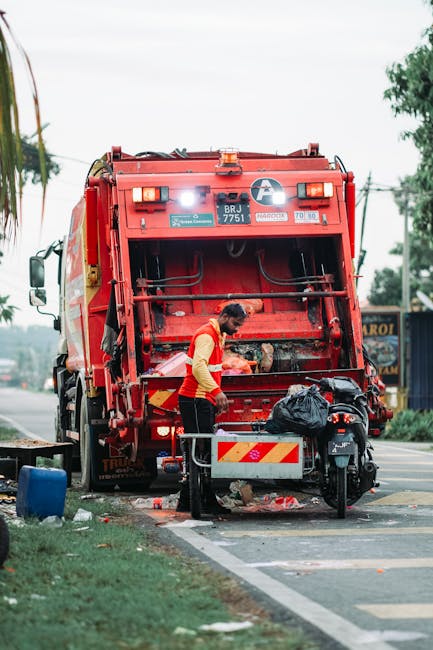
Narrow road rubbish collection Queens Park tips for tricky access

Narrow streets can turn a simple rubbish collection into a bit of a puzzle. In Queens Park, where parking can be tight, pavements can be busy, and access can change from one property to the next, a well-planned collection makes all the difference. If you are dealing with bulky items, mixed waste, or awkward loading space, these narrow road rubbish collection Queens Park tips for tricky access will help you prepare properly and avoid the usual headaches.
The good news? Tricky access does not automatically mean a difficult job. It usually just means the collection needs a smarter setup. That could be better timing, clearer item staging, a smaller vehicle, or a team that knows how to work carefully without blocking the road. Let's face it, nobody wants bins tipped, neighbours annoyed, or a van stuck halfway across the carriageway.
Below, you will find practical guidance on how this kind of collection works, what to check before booking, how to keep everything safe, and which mistakes to avoid when the road is narrow and the space is unforgiving.
Why Narrow road rubbish collection Queens Park tips for tricky access Matters
Queens Park has plenty of streets where access is not straightforward. You may be dealing with parked cars, narrow lanes, shared driveways, basement properties, or a corner site where a standard collection vehicle simply cannot pull in neatly. That matters because waste removal is not just about lifting items away; it is about moving them safely, legally, and without disrupting the street.
When access is poor, the risks multiply. A team may need to carry items further than expected. Heavy furniture might have to be manoeuvred around tight turns. Bags can be damaged if they are dragged. Even something as simple as a pile of garden waste can become awkward if it is left at the wrong point. In our experience, the difference between a smooth job and a stressful one is often just ten minutes of planning.
It also matters for neighbours and traffic flow. A narrow road can become congested quickly if a collection blocks access or forces other vehicles to reverse. That is where the right approach saves time, reduces friction, and keeps the whole job looking organised rather than messy. Nobody enjoys that awkward moment when everyone is waiting and somebody has to shuffle three cars just to make space.
If your rubbish is part of a larger property clear-out, it may be worth looking at related services such as house clearance, flat clearance, or office clearance where access planning is already built into the job.
How Narrow road rubbish collection Queens Park tips for tricky access Works
At a practical level, tricky access collections are handled by planning the collection around the constraints of the site rather than forcing the site to suit the collection. That sounds obvious, but it is where a lot of people go wrong. A crew will usually assess how close a vehicle can safely get, how far items need to be carried, whether there is room to load, and whether the waste needs to be broken down first.
For some jobs, the vehicle can park close enough to load directly. For others, the team may need to use a handover point, such as a front gate, communal entrance, or roadside spot agreed in advance. A small or medium-sized vehicle can be the better fit where a larger lorry would be clumsy. Sometimes a two-person lift is enough; sometimes you need three or four people for a bulky item like a wardrobe, sofa, or broken appliance. Truth be told, the right setup often matters more than brute force.
The process also depends on what is being collected. Loose bags, mixed household clutter, builder's rubble, garden cuttings, and furniture all behave differently. For example, green waste is light but bulky, while bathroom debris may be compact but heavy. That is why identifying the material type in advance helps with vehicle choice, loading time, and lifting method.
For waste streams with particular handling needs, pages like builders waste clearance and garden clearance are useful reference points because access needs can differ quite a lot between rubble, soil, branches, and general rubbish.
Key Benefits and Practical Advantages
There are some very real advantages to planning narrow road rubbish collection properly, and they go beyond convenience. The first is speed. When the team knows where to park, where to load, and what to expect, the collection usually runs much more efficiently. That matters on a narrow street where every extra minute can affect neighbours, deliveries, and street access.
The second is safety. Heavy items can cause injury if they are carried too far or around too many obstacles. Clear access reduces the chance of slips, strain, bumps to walls, or accidental damage to door frames and railings. A small scrape is annoying. A smashed plaster edge or broken step is worse.
The third is better cost control. Tricky access can affect labour time and collection method. If you are honest about the site from the beginning, you are more likely to get a realistic quote rather than a nasty surprise on the day. A tidy plan can also reduce unnecessary waiting time, which is one of those hidden costs people rarely think about until they are staring at a blocked road and checking the clock.
Other benefits include:
- less disruption to neighbours and passers-by
- faster loading and fewer back-and-forth trips
- lower chance of damage to property or vehicles
- better sorting of recyclable materials
- more predictable appointment timing
If you are comparing collection options, it may also help to review waste removal alongside more specific services such as furniture disposal or furniture clearance.
Who This Is For and When It Makes Sense
This advice is for anyone in Queens Park dealing with rubbish on a street where a collection vehicle cannot simply pull up and get on with it. That could be a homeowner clearing a front room, a landlord dealing with end-of-tenancy clutter, a shop with back-of-house waste, or a tradesperson left with rubble and packaging after a small project.
It makes sense when access is limited by one or more of these conditions:
- narrow road width
- resident permit parking or heavy on-street parking
- shared entrances or courtyards
- stairs, basements, or split-level entrances
- low-hanging branches, tight turns, or tight corners
- large or awkward items that need extra handling
Sometimes the issue is not the road itself but what sits around it. Delivery vans, wheelie bins, shrubbery, and temporary scaffolding can all make a route harder than expected. A person might think, "It's only a few bags," and then realise the only available parking spot is half a street away. Happens all the time.
This is also relevant for anyone arranging a broader clear-out, because a one-off rubbish collection can often be paired with a more complete service such as home clearance, garage clearance, or loft clearance if the access challenge is part of a larger decluttering job.
Step-by-Step Guidance
Here is a simple way to prepare for a narrow-road collection without overcomplicating it.
- List everything that needs removing. Group items by type: furniture, bags, rubble, garden waste, or mixed clutter.
- Check the access route. Walk from the item location to the street and notice narrow doors, turns, steps, and anything that will slow lifting.
- Measure bulky items. You do not need engineering precision. Just know whether a sofa, wardrobe, mattress, or appliance will pass through doorways or need partial dismantling.
- Think about parking. Where can a vehicle realistically stop? Is it legal? Is there room to open doors and load safely?
- Move lighter items closer to the exit. If it is safe to do so, staging waste near the front of the property can save time and reduce carrying distance.
- Separate anything that needs special handling. If you have electrical items, paint tins, or mixed construction waste, keep them apart so the collection can be planned properly.
- Share access details before the collection. Mention gates, codes, stairwells, road width, resident parking, and any time restrictions.
- Confirm what happens on arrival. Decide whether the team should ring the bell, wait at the kerb, or meet at a specific point.
A small tip, but a useful one: take a quick phone photo of the access point and the waste pile. It can be surprisingly helpful when explaining a tight stairwell or a tricky loading bay. Not glamorous, but it works.
If you need collection support that is clear about timing and scope, the information on pricing and quotes can help set expectations before anyone arrives on site.
Expert Tips for Better Results
The best narrow-road collections usually start before the van arrives. A few careful choices can save a lot of effort.
1. Break down large items early. Flat-pack furniture, shelving, and some wardrobes are much easier to move once they are dismantled. If you can safely remove doors, shelves, or legs, do it. Just keep screws and fittings in a bag so they are not lost in the shuffle.
2. Leave a clean walking path. Even a short, clutter-free route makes carrying safer. It sounds basic, but in a tight terraced property, one basket or plant pot in the wrong place can become an obstacle.
3. Time the collection carefully. Early morning can be better on some roads before parking fills up. Other times, mid-afternoon may be calmer. The right slot depends on your street, not a generic rule.
4. Be honest about volume. Underestimating the amount of waste is one of the quickest ways to create a problem. If in doubt, describe it as generously as you can. "Two sacks" and "two full builders' sacks plus loose offcuts" are not quite the same thing, are they?
5. Ask about recycling and sorting. If the waste can be separated at source, the collection usually becomes cleaner and easier. That is especially useful with mixed domestic clear-outs.
6. Keep neighbours in the loop when needed. A simple note or conversation can avoid tension if a van will be nearby for a short period. Not every situation needs this, but on a very tight street, it can smooth things out nicely.
For teams that place a strong emphasis on responsible handling, the page on recycling and sustainability is a good reminder that access planning and waste sorting often go hand in hand.
Common Mistakes to Avoid
Most access problems are avoidable. The snag is that people often spot them too late.
- Leaving everything until collection day. If items are still scattered around the property, the crew may spend longer just getting started.
- Not mentioning parking restrictions. A street that looks easy at 10 a.m. may be jammed by lunchtime.
- Assuming a large vehicle is always better. On a narrow road, a smaller vehicle can actually be much more efficient.
- Forgetting about steps and thresholds. One or two steps can be the difference between a smooth carry and a slow, awkward lift.
- Mixing everything together. Different waste types may need different handling. Don't just throw it all in one pile and hope for the best.
- Blocking the only exit. It sounds obvious, but if the rubbish pile sits in front of the one usable gate, the collection gets messy very quickly.
A common real-world example is a resident who sets out garden waste at the front gate and furniture in the back garden, then forgets that the side passage is too narrow for the sofa. The result? Extra carrying, extra time, and a lot of muttering. Better to spot that beforehand.
Tools, Resources and Recommendations
You do not need specialist kit for most small-to-medium collections, but a few practical tools can make life easier. Good gloves, a trolley for level ground, strong rubble sacks, and a tape measure are often enough for planning. If the route is awkward, a simple hand truck or sack barrow can help with lighter items, though it is not a magic fix on stairs or uneven paving.
Useful things to have ready include:
- measure tape
- heavy-duty sacks or boxes
- marker pen for labelling items
- basic tools for dismantling furniture
- old sheets or blankets to protect door frames
- a phone for photos and quick updates
For service planning, the most useful resources are often the company pages that explain scope, safety, and payment expectations. The pages on insurance and safety, payment and security, and about us can help you judge whether the operation feels organised and trustworthy.
If you are dealing with a commercial property or shared building, it may also be worth reading business waste removal because access rules, building management, and timing windows are often a bit stricter than in a private home.
Law, Compliance, Standards, or Best Practice
Waste collection in the UK should be handled with proper care, and that means more than just removing the rubbish. In practice, the key points are common-sense best practice: safe lifting, suitable vehicles, lawful waste handling, and clear communication about what is being collected. If the waste is from a property or business, the duty to manage it properly does not disappear just because access is awkward.
For narrow-road collections, best practice usually includes:
- keeping walkways clear where possible
- avoiding unnecessary obstruction of roads or driveways
- using appropriate manual handling techniques
- sorting waste so recyclable material can be separated where practical
- being careful with items that could leak, break, or create sharp edges
It is also sensible to check any building rules, landlord guidance, or local parking conditions before arranging a collection. Not every access issue is a legal issue, but some can become one if loading blocks a public highway or a shared entrance without permission. Better to ask first and avoid a problem later.
On the provider side, responsible businesses usually publish clear policies around health and safety, complaints handling, and operating standards. If you want to understand how a company approaches those basics, the pages on health and safety policy, complaints procedure, and accessibility statement are the sort of signals worth checking.
Options, Methods, or Comparison Table
There is more than one way to handle rubbish collection on a narrow road. The best choice depends on the amount of waste, the type of property, and how tight the access really is.
| Method | Best for | Pros | Potential drawbacks |
|---|---|---|---|
| Kerbside collection | Light waste, bags, small items | Fast, simple, usually lower handling effort | Needs a safe roadside placement point |
| Door-to-vehicle carry | Households, flats, mixed clutter | Flexible and practical for awkward access | More labour if the carry is long or the route is tight |
| Small vehicle collection | Narrow roads, tight turns, urban streets | Easier parking and better manoeuvrability | May require more careful load planning |
| Item dismantling before pickup | Bulky furniture, shelving, large units | Reduces size and improves access | Takes prep time and basic tools |
In practice, the smartest option is often a blend. For example, a team may use a smaller vehicle, collect from the front entrance, and dismantle a bulky wardrobe before loading. Simple enough, but only if that plan is made in advance.
Case Study or Real-World Example
Here is a realistic Queens Park scenario. A resident living on a narrow street had a mix of old furniture, black bags, and a few bits from a hallway redecoration. The front road was busy, parking was tight, and the property had a short but awkward entrance path with a small step and a turn close to the gate.
Instead of leaving everything to the last minute, the resident separated the waste into furniture, general rubbish, and small renovation offcuts. They measured the widest item, moved the lighter bags to the front of the property, and sent photos of the gate and entrance path before the collection.
That little bit of prep changed the whole day. The crew knew the access point, used a smaller vehicle, and loaded in stages rather than trying to shift everything at once. The collection was done without blocking the road for long, and the items were sorted more cleanly. Not dramatic. Just well handled.
That is really the pattern with narrow road rubbish collection in Queens Park: good preparation quietly saves time, noise, and stress. It does not need to be fancy.
Practical Checklist
Use this checklist before your collection day.
- Have you listed all the waste clearly?
- Have you measured any large or awkward items?
- Do you know where a vehicle can legally and safely stop?
- Have you mentioned tight access, steps, gates, or codes?
- Have you separated furniture, green waste, rubble, and general rubbish?
- Are walkways clear enough for safe carrying?
- Have you checked for any parking restrictions or time windows?
- Are fragile walls, railings, or doors protected where needed?
- Do neighbours need a quick heads-up?
- Have you confirmed the collection method and any loading constraints?
Expert summary: For narrow-road collections, the best result usually comes from three things done well: accurate access details, sensible waste separation, and a collection method that matches the street rather than fighting it.
Get a free quote today and see how much you can save.
Conclusion
Narrow road rubbish collection in Queens Park is all about preparation, communication, and choosing the right method for the access you actually have. When you think ahead about parking, lifting, item size, and street conditions, the whole process becomes much easier. That is the real tip here: don't force a standard approach onto a tricky site.
If you are dealing with a tight street, a shared entrance, or a property where getting items out is the hardest part, start with a proper access check and be honest about the details. It saves time, reduces risk, and usually gives you a better outcome. And if the day feels a bit daunting, fair enough. Most awkward collections look worse on paper than they are in real life.
Take it one step at a time, keep the route clear, and you will be in good shape.
Frequently Asked Questions
What counts as tricky access for rubbish collection in Queens Park?
Tricky access usually means the vehicle cannot get close to the waste without difficulty. That might be due to a narrow road, parked cars, steps, a tight turn, a shared entrance, or a long carry from the property to the street.
Do I need to move rubbish to the kerb before collection?
Not always. Some collections can be taken from inside the property or from a front garden, basement, or courtyard. The right setup depends on the access route and what is being removed. It is best to confirm this before the collection day.
Can a collection team handle bulky furniture on a narrow street?
Yes, often they can. The key is to plan ahead. Large items may need dismantling, a smaller vehicle, or a different loading point. A sofa is rarely a problem on its own; the problem is usually the route to get it out.
How should I prepare a flat with narrow stairs or a small hallway?
Clear the route first, measure the bulky items, and check whether anything needs to be taken apart. If the hallway has sharp corners or tight landings, mention that early. Flat clearances often go smoothly when the access details are accurate.
What information should I give before booking a collection?
Tell the provider what you are removing, how much there is, where it is located, whether parking is tight, and whether there are stairs, gates, or limited-time loading areas. Photos help too. A short phone picture can save a lot of guessing.
Is narrow road rubbish collection more expensive?
It can be, depending on the extra time, labour, or vehicle planning involved. But not every tricky-access job costs more. If the waste is well organised and the route is clear, the collection may still be straightforward.
What if parking is restricted outside my property?
That is common in Queens Park. In that case, the collection may need a different parking point, a shorter loading window, or a smaller vehicle. Mention any resident permits, yellow lines, or timed restrictions before the job is booked.
Can garden waste be collected from a narrow side passage?
Often yes, provided the passage is safe to use and the waste can be moved without damaging fences, walls, or plants. Garden clearance can become awkward when branches or bags are bulky, so planning the route matters.
What is the best way to avoid damage to walls and door frames?
Leave enough space for carrying, protect tight corners with coverings if needed, and dismantle large items where possible. It also helps to remove loose obstacles before the team arrives. A small bit of prep can prevent those annoying little knocks and scrapes.
Should I separate recycling before the collection?
Yes, if you can. Separating materials can make loading faster and may improve recycling outcomes. Mixed waste is possible, but clearly sorted waste is usually easier to handle and more efficient.
What should I do if I am not sure the access will work?
Explain the situation honestly and ask for advice before the booking is confirmed. Share photos, measurements, and any known restrictions. If you are uncertain, it is better to say so than to guess and hope for the best.
Which services are most useful for larger clear-outs with awkward access?
For bigger jobs, house clearance, flat clearance, garage clearance, loft clearance, furniture clearance, and builders waste clearance are often the most relevant. The right option depends on what you are clearing and how the property is laid out.