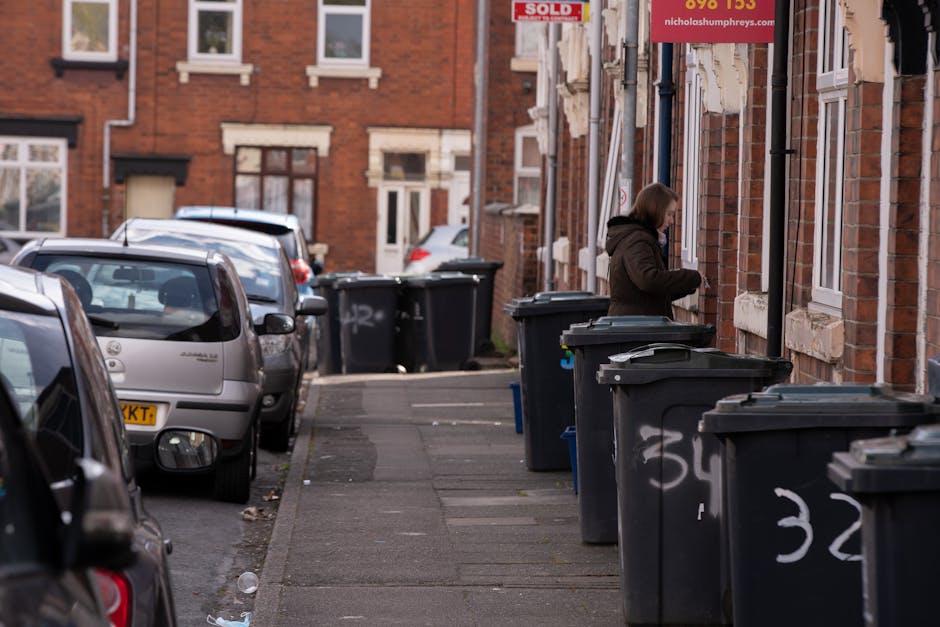
Queens Park NW6 rubbish removal guide for Salusbury Road homes
If you live near Salusbury Road, rubbish removal can feel simple right up until it isn't. One bag turns into five. A broken wardrobe sits in the hallway. The loft suddenly feels full of things you forgot you owned. This Queens Park NW6 rubbish removal guide for Salusbury Road homes is here to make the whole process calmer, clearer, and a lot more manageable.
Whether you are clearing out a flat, dealing with post-renovation debris, or just trying to reclaim a spare room, the key is knowing what can go, what needs extra care, and how to choose the right removal approach for your property. In a busy part of NW6, with narrow streets, shared entrances, and limited parking, the details matter. Quite a lot, actually.
Below you'll find a practical, local-minded guide covering how rubbish removal works, what to expect, the main options, common mistakes, and a straightforward checklist you can use before booking. If you want broader service information while you read, you may also find the main waste removal page and the company's pricing and quotes information useful.
Table of Contents
- Why Queens Park NW6 rubbish removal guide for Salusbury Road homes Matters
- How Queens Park NW6 rubbish removal guide for Salusbury Road homes Works
- Key Benefits and Practical Advantages
- Who This Is For and When It Makes Sense
- Step-by-Step Guidance
- Expert Tips for Better Results
- Common Mistakes to Avoid
- Tools, Resources and Recommendations
- Law, Compliance, Standards, or Best Practice
- Options, Methods, or Comparison Table
- Case Study or Real-World Example
- Practical Checklist
- Conclusion
- Frequently Asked Questions
Why Queens Park NW6 rubbish removal guide for Salusbury Road homes Matters
Salusbury Road and the streets around it have a very specific kind of property mix: flats above shops, period conversions, maisonettes, terraces, and compact homes where storage is at a premium. That changes how rubbish removal works. You can't always just put things outside and hope for the best. Access may be tight, stairs can be awkward, and shared entrances mean you have to think about neighbours as well as your own schedule.
That's why a rubbish removal plan matters here more than it might in a more spacious suburb. The aim is not just to get rid of clutter. It's to do it neatly, safely, and with as little disruption as possible. To be fair, that is usually what people want anyway: less mess, less fuss, no drama in the hallway at 8am.
For Salusbury Road homes, removal decisions also tend to be shaped by three things:
- Space constraints - waste has to be staged somewhere before collection, and many homes simply do not have much room.
- Access and timing - loading from a front room, basement, or top-floor flat needs a sensible plan.
- Waste type - mixed household junk, furniture, garden waste, or builders' debris may need different handling.
There is also a trust angle. You want confidence that items are handled responsibly and that the clearance is not going to create future problems. A good removal service will think about sorting, carrying, loading, and disposal in one tidy process. If you are dealing with furniture, a visit to the furniture clearance or furniture disposal pages can help you understand how larger items are usually managed.
Expert summary: In Salusbury Road homes, the best rubbish removal is rarely the cheapest or the fastest on paper. It is the one that fits the building, the waste type, and the reality of daily life in NW6.
How Queens Park NW6 rubbish removal guide for Salusbury Road homes Works
The basic process is simple, but the details matter. Most rubbish removal jobs follow a similar pattern: identify what needs to go, estimate the volume, choose the right service, arrange access, and then clear, load, and dispose of the waste properly. The neat part is that a lot of stress disappears once those steps are agreed in advance.
Here is the typical flow for Salusbury Road homes:
- List the waste clearly. Separate general rubbish from bulky items, electricals, garden cuttings, renovation debris, or anything fragile.
- Check access points. Note stairs, narrow hallways, permit zones, lift access, or shared entrances. In old buildings, one awkward bend can change the whole plan.
- Estimate the load. This is usually about how much van space the waste will take, not just how many bags you have.
- Ask about sorting and recycling. Responsible removal should not treat everything as one heap.
- Arrange the collection time. Early mornings can work well, though not every home or neighbour will thank you for a very loud start.
- Clear the items. Good teams move efficiently, protect walls and floors where needed, and avoid leaving a trail of dust behind them.
- Confirm the disposal route. Reuse, recycling, and compliant disposal should all be part of the service, not an afterthought.
For bigger domestic clearances, especially where a home is full from top to bottom, the broader home clearance and house clearance pages are useful companions to this guide. If the space is a flat conversion or a small apartment near Salusbury Road, the flat clearance page may fit your situation more closely.
One small but important point: rubbish removal is not just "lifting stuff into a van". It is logistics. And logistics in NW6 can be a bit cheeky if you do not plan ahead.
Key Benefits and Practical Advantages
There are obvious benefits to rubbish removal, of course. The room is clear. The flat feels bigger. The spare room is usable again. But the real value often sits in the practical details that make life easier over the next few weeks, not just the afternoon of the collection.
- Less strain on you. Heavy lifting is where many people overestimate what they can safely do. A professional approach reduces that risk.
- Less disruption to neighbours. A tidy, timed collection is much better than bags left in shared areas for days.
- Cleaner property turnover. Helpful if you are moving out, redecorating, or preparing a rental for new occupants.
- Better use of space. In Salusbury Road homes, reclaimed space often becomes a home office, guest area, or simply breathing room.
- More organised sorting. Reusable items can be separated from broken items, which is far better than dumping everything together.
There is also a quiet emotional benefit. Clearing clutter changes how a home feels. You notice the light again. You hear less echo from stacked objects. The place breathes a bit. That might sound dramatic, but if you have ever lived with a hallway full of old furniture, you know exactly what I mean.
If your clearance includes bulky pieces, you may want to compare the best route for those items through furniture clearance or, if the items are being broken down or replaced, furniture disposal. Choosing the right approach can save time and a fair bit of hassle.
Who This Is For and When It Makes Sense
This guide is for anyone in Queens Park NW6, especially around Salusbury Road, who needs rubbish removed without turning the process into a weekend ordeal. In practice, that usually means one of a few common situations.
- Homeowners decluttering a loft, garage, spare room, or under-stairs storage.
- Tenants moving out who need to leave a property tidy and ready for inspection.
- Landlords and letting agents handling end-of-tenancy clearances or leftover items.
- Families renovating and needing waste removed as the project moves along.
- People downsizing who want to reduce volume without dealing with everything on their own.
- Residents with bulky furniture that is too awkward for normal bin collections.
It also makes sense if you have a mix of waste that does not suit simple bagging and dragging. For example: a broken chest of drawers, some torn carpet, a few boxes of attic clutter, and old garden pots. That sort of mixed load is common in NW6 homes. Nothing exotic, just awkward.
If your project involves a lot of loft clutter or years of stored items, the loft clearance page is worth a look. If the mess has spread into the garage, the garage clearance page can help frame what to expect there too.
Step-by-Step Guidance
If you want the smoothest possible result, take the process step by step. There is no need to overcomplicate it, but a little order at the beginning saves a lot of faffing about later.
1. Walk through the property first
Start by looking at every area that needs clearing. Hallways, cupboards, lofts, sheds, balconies, basements, the lot. Make a rough note of what is staying and what is going. In shared buildings, this is the point where you also notice whether there is enough room to move items out without blocking the entrance. That matters more than people think.
2. Separate waste into sensible groups
Put like with like where possible:
- General household rubbish
- Bulky furniture
- Garden waste
- DIY or builders' waste
- Electrical items
- Reusable items for donation or resale
Even a loose sort helps. It gives you a better idea of the scale and can make removal more efficient.
3. Measure awkward items
If you have a sofa, wardrobe, mattress, or large cabinet, measure it. Not because every centimetre must be perfect, but because tight staircases and narrow landings can turn a simple clearance into an exhausting game of angles. Many a flat clearance has been derailed by a single over-wide wardrobe. Honestly, wardrobes can be a bit dramatic.
4. Check timing and access
Think about parking, entry codes, neighbours, and whether the property is busiest at certain times. If you live on or near a busy road, the collection window can make the difference between a relaxed day and a very annoying one. Morning collections often work well, though not always.
5. Choose the right service scope
Not every job needs the same solution. Some homes need a quick single-load rubbish removal. Others need a full property clearance, a furniture-focused collection, or a larger mixed-waste solution. For wider domestic jobs, the home clearance service is a useful reference point. For trade-related material, look at builders waste clearance instead.
6. Confirm what happens after collection
Ask how items will be handled once removed. Reuse and recycling should be part of the plan where possible. If something is damaged, dirty, or unusable, it still needs to be handled carefully and disposed of in the proper stream. That reassurance is worth having in writing or at least clearly explained before the job starts.
Expert Tips for Better Results
Over the years, one thing tends to hold true: the smoothest collections are the ones where the homeowner has done just enough prep, not too much and definitely not too little.
- Photograph the load before booking. A few clear pictures can help avoid misunderstandings about volume and access.
- Keep one "do not remove" area. Put things you want to keep in a separate room or clearly labelled corner. Saves a lot of accidental confusion.
- Break down items where sensible. Flat-pack furniture and disassembled shelving can reduce space and make handling easier.
- Use bags that actually hold. Thin, overstuffed bags are a nuisance. They split, they drag, they leave a trail. Nobody wants that.
- Protect shared spaces. Cardboard, blankets, or floor coverings can help in tight hallways and stairwells.
- Combine related jobs. If you are doing a wider declutter, it may be smarter to bundle the rubbish removal with a house clearance or flat clearance rather than book separate visits.
A simple tip that people often overlook: put a kettle on afterward. You will have earned it. Clearing a home, even a small one, can feel strangely emotional once the clutter is gone.
Common Mistakes to Avoid
Most mistakes with rubbish removal are not dramatic. They are small planning slips that become time-consuming once the collection day arrives.
- Underestimating volume. A few bags can become a van load once bulky items are included.
- Leaving items mixed together. It slows the job down and can make sorting more awkward.
- Ignoring access issues. A loading bay, timed parking zone, or narrow staircase should never be an afterthought.
- Assuming everything can be left outside. In shared or busy streets, that can create complaints very quickly.
- Forgetting about special items. Mattresses, electronics, paint, or renovation waste may need different handling.
- Choosing on price alone. Cheap is not always cheap if the service is poorly planned and you end up paying again.
Another common one: not checking what is included. Is labour included? Is loading included? Is sorting included? People often assume yes, then discover no. That is a frustrating moment, and it is avoidable.
Tools, Resources and Recommendations
You do not need a van full of equipment to get organised. Most of the useful tools are ordinary, and a bit boring, which is exactly what you want.
- Heavy-duty bin bags or rubble sacks for manageable waste.
- Marker tape or labels to mark what stays and what goes.
- Measuring tape for bulky furniture and awkward stair turns.
- Gloves for moving dusty or sharp items.
- Dust sheets or old blankets for protecting floors and door frames.
- Phone camera to document access points and the waste itself.
For residential and mixed-use properties, it is also worth looking at the broader service categories on the site. The garage clearance page, the loft clearance page, and the home clearance page can help you match the job to the right service type. If you are managing waste for a workplace as well, the office clearance and business waste removal pages are useful references.
One recommendation I would make, especially for Salusbury Road homes: keep a short written list of what is included in the clearance. It sounds almost too simple, but it helps everyone stay aligned. It also stops the classic "Oh, we thought that corner was staying" conversation. Nobody enjoys that one.
Law, Compliance, Standards, or Best Practice
Waste removal in the UK is not just a logistics job; it also carries responsibility. You do not need to become an expert in waste regulation to book a collection, but you should expect the service provider to handle waste in a lawful and sensible way.
In practical terms, that means a few things:
- Waste should be handled by a provider that understands proper disposal routes.
- Items should not be fly-tipped or left somewhere unsuitable.
- Hazardous or specialist waste should be identified before collection.
- Recycling and reuse should be used where reasonably possible.
- Work should be carried out safely, especially in stairs, tight entrances, or shared spaces.
For homeowners, the best habit is simple: be honest about what you have. If there are batteries, chemicals, paint, or anything sharp or contaminated, say so upfront. If a team needs to plan around those items, that is a good sign, not an inconvenience.
Service quality also matters here. Look for clear communication, fair treatment of your property, and safe lifting practices. You can review site policies such as health and safety, insurance and safety, and recycling and sustainability to get a better sense of how responsible operations are described.
Best practice is not flashy. It is the steady stuff: clear communication, careful lifting, tidy loading, and sensible disposal. That is what you want. Nothing fancy, just done properly.
Options, Methods, or Comparison Table
Different rubbish removal situations call for different methods. The right one depends on how much waste you have, what kind it is, and how much effort you want to put in yourself.
| Option | Best for | Pros | Watch-outs |
|---|---|---|---|
| Self-load to a facility | Very small, manageable loads | Can suit one-off clear-outs | Time, transport, lifting, and sorting all fall on you |
| Private rubbish removal | Bulky, mixed, or awkward items | Fast, practical, door-to-door collection | Needs accurate volume estimate and good access planning |
| Full property clearance | Whole-room or whole-home jobs | Handles large scale clutter, less stress for the homeowner | May be more than you need for a small job |
| Targeted furniture removal | Single items or several large pieces | Good for sofas, wardrobes, beds, tables | Not ideal if waste is mixed and varied |
| Builders' waste clearance | DIY and renovation debris | Better suited to rubble, timber, plasterboard, packaging | Should not be mixed blindly with household rubbish |
In many Salusbury Road homes, a mixed approach is the most sensible: maybe a furniture collection for the bulky bits, plus a general waste removal for clutter and bagged rubbish. If you are mid-renovation, the dedicated builders waste clearance service becomes the obvious fit.
Case Study or Real-World Example
A typical Queens Park scenario goes like this. A family in a first-floor flat near Salusbury Road decides to clear out an old sofa, a broken bookshelf, several boxes from the loft cupboard, and the remains of a long-delayed spare room project. Nothing unusual, just the usual pile-up of life.
At first, it feels manageable. Then they start moving things and realise the bookshelf is heavier than it looked, the hallway is narrower than memory suggested, and one box contains a mix of paper, cables, and a dusty lamp they forgot existed. Classic.
What worked best was a simple approach:
- They sorted the items into furniture, general rubbish, and keep/donate piles.
- They measured the sofa and checked stair access.
- They cleared the corridor in advance so items could be moved out safely.
- They arranged the collection for a quieter part of the morning.
- They kept the items to stay in one bedroom and labelled the door.
The result was straightforward. The job moved faster, the shared entrance stayed tidy, and the room was ready to use again by the end of the day. No grand transformation story here. Just a sensible job done properly, which is honestly what most people need.
Practical Checklist
Use this checklist before your collection day. It keeps the job grounded and reduces the little surprises that tend to trip people up.
- Walk through every room, cupboard, loft, shed, or garage that needs clearing.
- Separate keep, donate, recycle, and remove piles.
- Measure any bulky furniture or awkward items.
- Check stairs, access points, and parking restrictions.
- Confirm whether the waste is general, bulky, garden, or builders' waste.
- Remove personal documents and valuables before any clearance begins.
- Protect floors and door frames if the route is tight.
- Make sure items to stay are clearly marked or stored elsewhere.
- Ask how recycling or reuse will be handled.
- Agree the collection time and any entry instructions in advance.
And one more thing: do a final five-minute sweep before the team arrives. It sounds small, but that last check often catches the forgotten drawer, loose cables, or the box you meant to keep. It happens all the time.
Conclusion
For Salusbury Road homes in Queens Park NW6, rubbish removal works best when it is planned around real life: the building, the access, the neighbours, the waste type, and your own schedule. The goal is not just to clear clutter, but to clear it in a way that feels orderly and respectful of the home around it.
If you remember only a few things, make them these: sort the waste first, be honest about bulky or special items, think through access early, and choose the removal method that fits the job rather than the one that looks easiest at a glance. That little bit of thought pays off fast.
For related information, you can also explore the site's pages on recycling and sustainability and about us if you want a better feel for the service approach and values behind it.
Get a free quote today and see how much you can save.
And if the job still feels bigger than you expected, that's alright. That's exactly when a calm, well-organised clearance makes the biggest difference.
Frequently Asked Questions
What is included in rubbish removal for a Salusbury Road home?
Usually it includes lifting, loading, and removing agreed waste from the property. What is included can vary by provider and job type, so it is worth confirming whether labour, sorting, and disposal are all covered before collection day.
Do I need to sort my rubbish before collection?
It helps a great deal. You do not always need perfect separation, but grouping furniture, general waste, garden waste, and builders' debris makes the job smoother and can reduce confusion on the day.
Can rubbish be removed from a flat with stairs and no lift?
Yes, in many cases it can. Stair access is common in Queens Park and other NW6 properties. The important thing is to mention it early so the team can plan for carrying routes and time needed.
What happens to furniture that is still in decent condition?
Reusable items may be separated for reuse or donation where possible. If you are dealing with larger items, the furniture clearance page gives a useful sense of how those jobs are typically approached.
How do I know whether I need flat clearance or general waste removal?
If you are clearing a whole apartment or several rooms, flat clearance may be the better fit. If you just have a smaller pile of mixed rubbish, a general waste removal booking may be more suitable.
Is builders' waste treated differently from household rubbish?
Yes, usually it is. Rubble, plasterboard, timber, and renovation offcuts should be identified separately because they need different handling. If your job includes DIY debris, the builders waste clearance service is the right place to start.
What should I do before a rubbish removal team arrives?
Clear access, separate keep items, remove valuables, and make sure the waste is easy to see. A quick pre-collection tidy can save time and reduce the chance of mistakes.
Can I leave rubbish on the pavement outside my home?
It is not a good idea unless the arrangement specifically allows it and the collection is happening immediately. In shared or busy streets, leaving waste outside can create obstruction, complaints, or messy spillovers.
How much does rubbish removal usually cost?
Costs depend on waste volume, weight, access, and the type of items involved. For a clearer idea, it is best to look at the site's pricing and quotes page and request a tailored estimate.
Is rubbish removal safe in narrow hallways or older buildings?
It can be, provided the team plans properly and moves items carefully. In older NW6 properties, protecting walls, floors, and shared areas is a sensible part of the process.
What if I have a mix of rubbish, furniture, and loft clutter?
That is very common. Mixed loads are often best handled as a broader home or flat clearance rather than trying to split everything into separate mini jobs.
How do I choose a trustworthy clearance service?
Look for clear communication, sensible questions about access and waste type, and a responsible approach to disposal and safety. Policies such as insurance and safety and health and safety can help you understand the standards the business says it follows.
Can I combine rubbish removal with garden or garage clearance?
Yes, and that is often the smartest option. If the waste has spread beyond one room, the related garden clearance and garage clearance services can be useful reference points.
When is the best time to book rubbish removal in NW6?
Often the best time is when access is easiest and the property is least busy. For many homes that means a morning slot, but it depends on parking, neighbours, and your own schedule. A bit of planning goes a long way.